




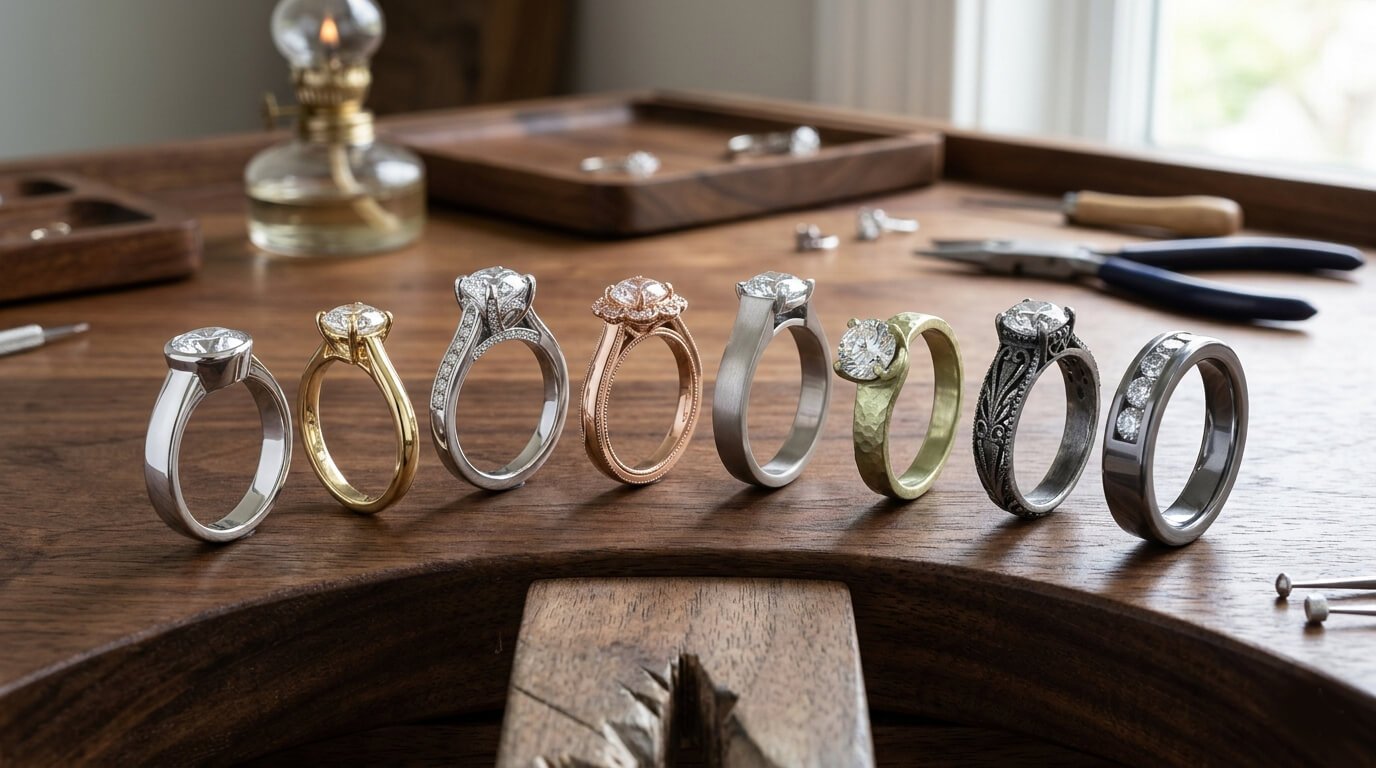
When designing custom cubic zirconia jewelry, the metal setting is just as important as the stone itself. The right metal enhances your cubic zirconia‘s brilliance, ensures durability, and matches your style and budget. Here’s a breakdown of the most popular metal options for custom CZ settings.
Silver Options: Sterling Silver and Rhodium Plating
Sterling Silver (925)
Sterling silver is one of the most popular choices for custom cubic zirconia settings. It consists of 92.5% pure silver and 7.5% other metals (usually copper), which gives it strength while retaining a bright, white luster that complements a CZ stone’s brilliance.
Pros: Affordable, bright white finish that enhances stone clarity, widely available.
Cons: Softer than gold or platinum; requires regular polishing to prevent tarnish; can oxidize and darken over time.
Sterling Silver with Rhodium Plating
To address sterling silver’s tarnishing tendency, many jewelers apply a rhodium plating over the silver. Rhodium is a precious metal from the platinum family that adds a protective layer, resists scratches, and extends the time between cleanings.
Pros: Enhanced tarnish resistance, brighter white finish, longer-lasting shine.
Cons: Plating can wear off over time, especially on high-friction areas like ring bands.
Gold Options: 14K, 18K, and Plated
14K and 18K Gold
Gold is a classic choice for fine jewelry settings. Available in yellow, white, and rose gold, it offers durability and timeless elegance. Solid gold is significantly more durable than sterling silver and is naturally hypoallergenic.
| Property | 14K Gold | 18K Gold |
|---|---|---|
| Gold Purity | 58.3% | 75% |
| Durability | More durable; harder | Softer; more prone to scratching |
| Color | Slightly less vibrant | Richer, more vibrant color |
| Price | More affordable | More expensive |
Pros: Durable, hypoallergenic, holds value, available in multiple colors.
Cons: Significantly more expensive than sterling silver.
Gold Plating
For a more budget-friendly gold look, many custom cubic zirconia pieces use gold plating over a base metal like brass or sterling silver. Common platings include 14K and 18K gold in yellow, white, and rose gold finishes.
Pros: Affordable gold appearance, wide color variety.
Cons: Plating wears off over time (often within 12–18 months with regular wear), revealing the base metal; base metals like brass may cause skin reactions.
Platinum and Platinum Plating
Solid Platinum
Platinum is a dense, naturally white precious metal that is extremely durable and tarnish-resistant. It is the most premium option for cubic zirconia settings.
Pros: Hypoallergenic, extremely durable, naturally white (never needs rhodium plating), tarnish-resistant.
Cons: Costs 3–5 times more than sterling silver.
Platinum Plating
For a more affordable alternative, many CZ settings feature platinum plating over sterling silver or other base metals. This provides a high-end, tarnish-resistant finish at a fraction of the cost of solid platinum.
Pros: Luxury look, enhanced tarnish resistance, hypoallergenic.
Cons: Plating can wear over time, requiring reapplication.
Stainless Steel: The Durable, Tarnish-Resistant Choice
Stainless steel, particularly 316L stainless steel, has become increasingly popular for cubic zirconia jewelry. It has a protective chromium oxide layer that prevents oxidation and corrosion, making it highly resistant to tarnishing—even in humid or wet conditions.
Pros: Highly durable, tarnish-resistant, hypoallergenic, affordable, low maintenance.
Cons: Harder to resize than silver or gold; less “precious” than gold or platinum.
For more information on the properties of different jewelry metals, you can explore the World Gold Council’s guide to gold purity and International Platinum Association’s resources on platinum.
Metal Comparison: At a Glance
| Metal Option | Durability | Tarnish Resistance | Hypoallergenic | Cost | Best For |
|---|---|---|---|---|---|
| Sterling Silver | Moderate | Low | Yes | Affordable | Budget-conscious, classic white finish |
| Rhodium-Plated Silver | Moderate | High | Yes | Affordable-Moderate | Long-lasting white finish |
| 14K/18K Gold | High | High | Yes | Expensive | Heirloom pieces, premium quality |
| Gold Plating | Low | Low | Varies | Budget-Friendly | Fashion jewelry, occasional wear |
| Solid Platinum | Very High | Very High | Yes | Very Expensive | Maximum durability, luxury |
| Stainless Steel | Very High | Very High | Yes | Affordable | Daily wear, active lifestyles |
What About the Stone Setting Type?
The metal choice also affects which setting styles work best for your cubic zirconia:
Bezel Setting: A metal rim encircles the stone, offering maximum protection. Works well with stainless steel or platinum for active wearers.
Prong/Claw Setting: Metal claws grip the stone, allowing more light to enter for maximum sparkle. Common in gold and rhodium-plated silver settings.
Channel Setting: Stones are set in a row between two metal walls. Provides a sleek, modern look.
Pavé Setting: Small stones are set closely together, creating a “paved” surface of sparkle.
Bottom Line
Choosing the right metal for your custom cubic zirconia jewelry depends on your budget, lifestyle, and style preferences:
For daily wear and active lifestyles: Stainless steel or rhodium-plated sterling silver offer the best balance of durability and affordability.
For a premium, heirloom-quality piece: 14K/18K gold or solid platinum provide unmatched durability and value.
For fashion-forward, budget-friendly pieces: Gold plating or unplated sterling silver can deliver great looks for occasional wear.
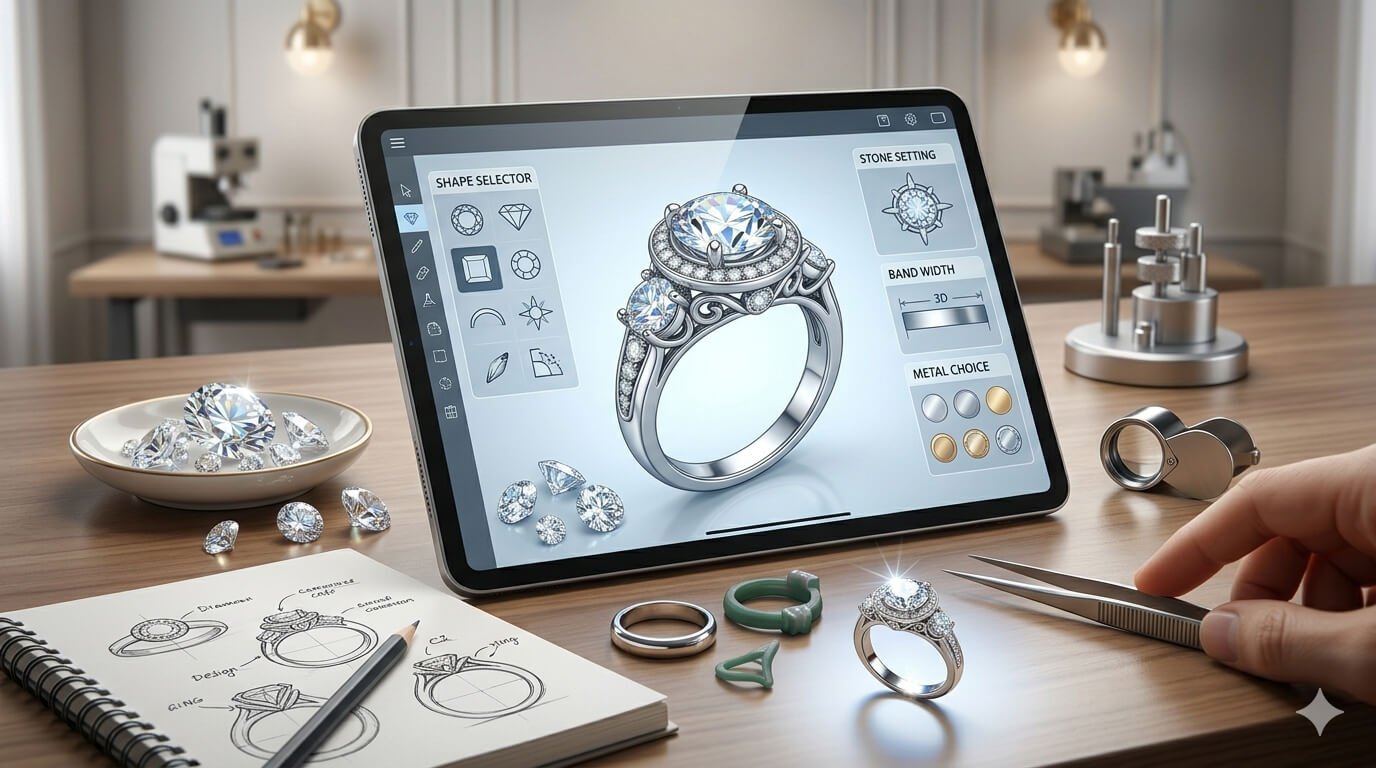
At CZDIA, we offer a range of high-quality metal options for your custom cubic zirconia designs. To learn more about choosing the perfect setting for your piece, check out our guide on how to design your own custom cubic zirconia ring.

 English
 Deutsch (Sie)
 Français
 Español
 Italiano
 Nederlands (Formeel)
 Português
 日本語
日本語