




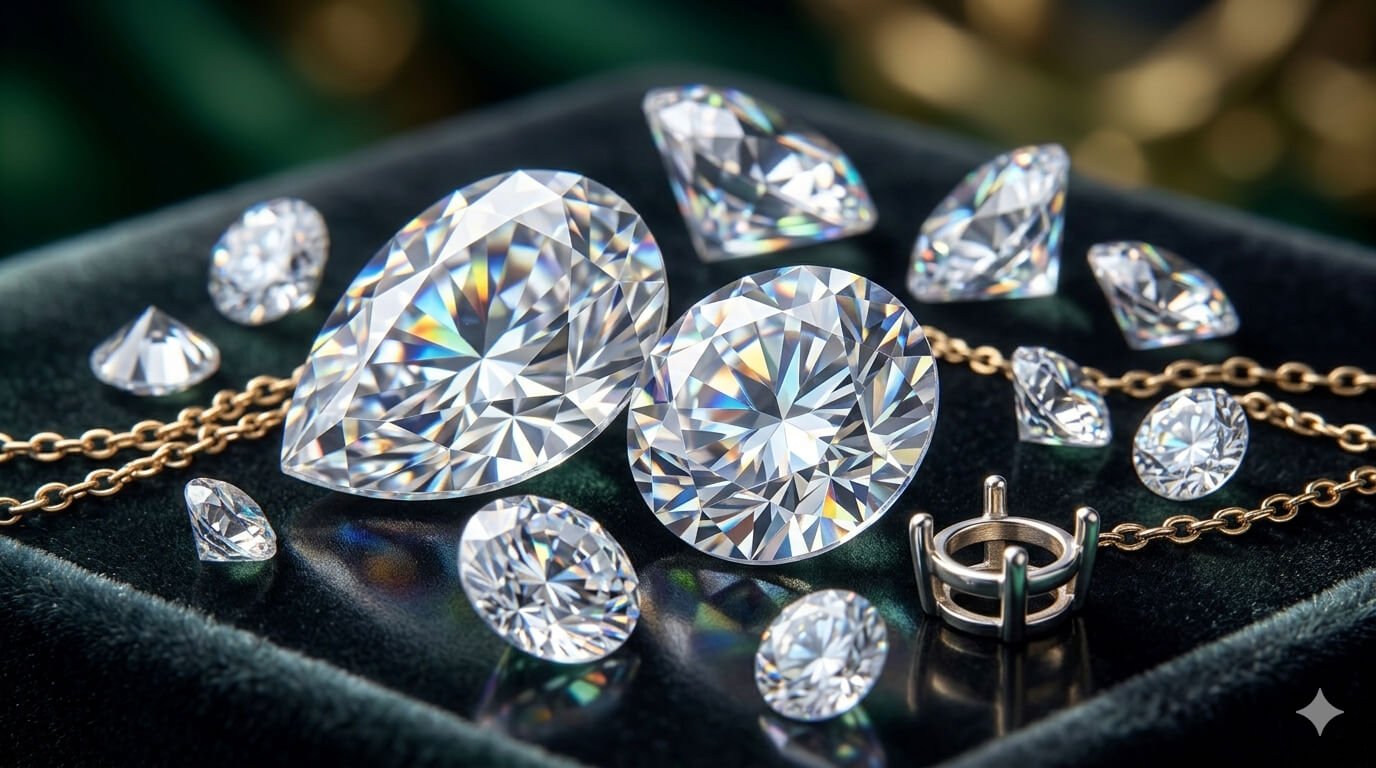
Jika Anda pernah mengagumi kilauan berlian tetapi merasa harganya terlalu mahal, kemungkinan besar Anda pernah mengalami hal ini. perhiasan zirkonia kubik. Namun sebenarnya apa itu, dan mengapa ini menjadi salah satu alternatif berlian paling populer di dunia?
Panduan ini menjawab pertanyaan “apa itu perhiasan zirkonia kubik?” dan menjelaskan semua yang perlu Anda ketahui tentang batu permata yang brilian dan terjangkau ini.
Apa Itu Zirkonia Kubik?
Zirkonia kubik (sering disingkat CZ) adalah batu permata sintetis yang terbuat dari zirkonium dioksida (ZrO₂). Kristal ini dibuat di laboratorium melalui proses pemanasan terkontrol yang menghasilkan kristal sempurna dan sangat reflektif. Bagian "kubik" dalam namanya merujuk pada struktur kristal kubiknya, yang merupakan sistem kristal yang sama dengan berlian—sehingga menjadikannya tiruan berlian yang sangat baik.
Meskipun zirkonium dioksida memang ada di alam, keberadaannya sangat langka dan tidak cocok untuk digunakan sebagai perhiasan, jadi... Semua zirkonia kubik yang digunakan dalam perhiasan dibuat di laboratorium.. Proses manufaktur ini memastikan lebih sedikit cacat dan inklusi, yang menghasilkan permata yang cerah dan berkilauan.
Untuk informasi ilmiah yang lebih rinci mengenai sifat-sifat zirkonia kubik, Anda dapat menjelajahi Glosarium istilah batu permata dari Gemological Institute of America (GIA)..
Sejarah Singkat Zirkonia Kubik
Kisah zirkonia kubik dimulai pada tahun 1892 ketika para ilmuwan pertama kali menemukannya di alam, tetapi mereka tidak memiliki kegunaan praktis untuknya pada saat itu. Baru pada tahun 1930-an para ahli mineralogi Jerman menemukan kembali bentuk kubik oksida zirkonium yang terjadi secara alami.
Terobosan itu terjadi pada tahun 1970-an, Ketika para ilmuwan Soviet menyempurnakan metode untuk menumbuhkan batu zirkonia kubik di laboratorium saat mencari material baru untuk laser dan aplikasi optik, setelah penemuan ini, zirkonia kubik langsung menjadi populer sebagai pengganti berlian dan telah menghiasi cincin pertunangan, anting-anting, kalung, dan gelang sejak saat itu.
Karakteristik Utama Perhiasan Zirkonia Kubik
Saat menjelajahi apa perhiasan zirkonia kubik Oleh karena itu, penting untuk memahami sifat-sifat yang mendefinisikannya:
Penampilan dan Kecemerlangan
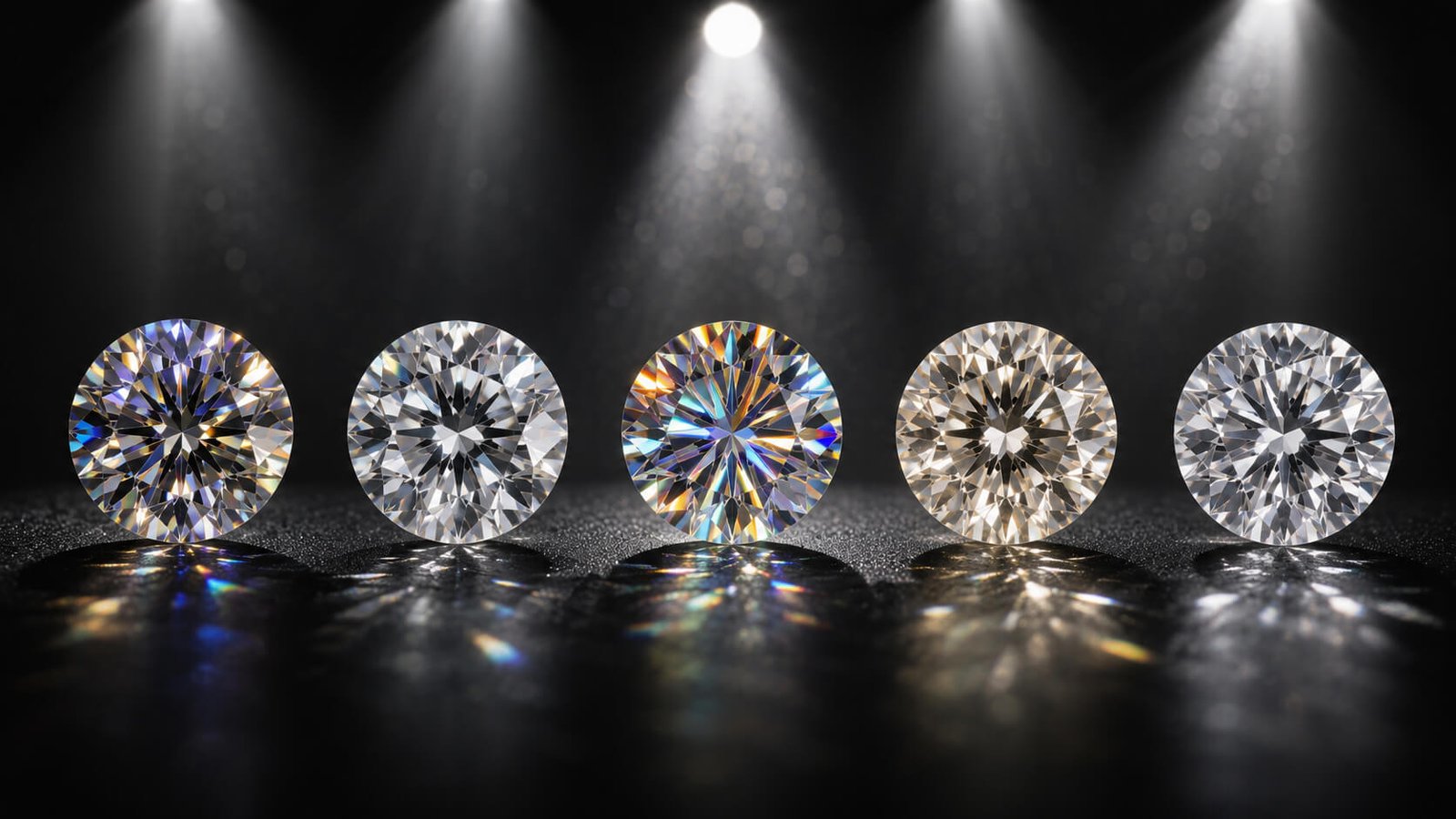
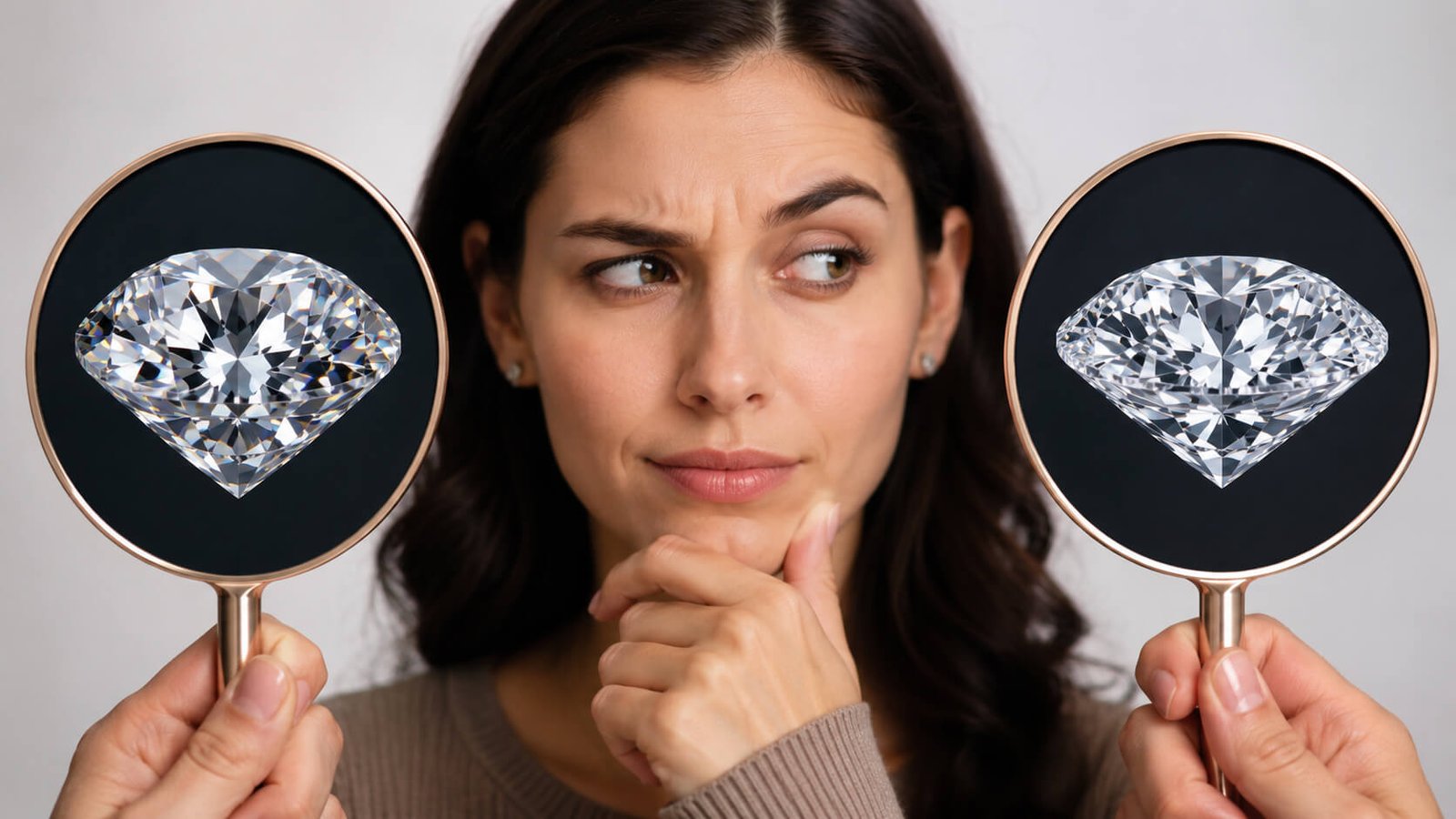
Zirkonia kubik sangat mirip dengan berlian dari segi penampilan. Bagi mata yang tidak terlatih, mungkin sulit untuk membedakan keduanya. Namun, ada perbedaan yang cukup mencolok:
Kecemerlangan dan ApiZirkonia kubik memiliki tingkat dispersi yang lebih tinggi daripada berlian, artinya ia menampilkan lebih banyak "kilauan"—kilatan cahaya pelangi yang berwarna-warni. Berlian, di sisi lain, memiliki kilauan unik yang lebih sulit untuk ditiru.
WarnaSebagian besar zirkonia kubik tidak berwarna, setara dengan grade "D" pada skala penilaian warna berlian—peringkat tertinggi yang mungkin. Namun, CZ juga dapat diproduksi dalam berbagai macam warna, termasuk merah muda, biru, kuning, dan hijau, dengan menambahkan berbagai oksida logam selama proses produksi.
Kejelasan
Karena zirkonia kubik dibuat di laboratorium, biasanya bebas dari inklusi atau noda, sehingga praktis tanpa cela. Sebaliknya, sebagian besar berlian alami memiliki beberapa jenis cacat, seperti retakan, kristal yang terinklusi, atau ketidaksempurnaan lainnya.
Daya tahan
Zirkonia kubik menempati peringkat sekitar 8 hingga 8,5 pada skala kekerasan Mohs. Meskipun masih cukup keras dan tahan lama, CZ jauh lebih lunak daripada berlian, yang berada di peringkat ke-10—bahan alami terkeras yang diketahui. Ini berarti CZ lebih rentan terhadap goresan, retak, dan kekeruhan seiring waktu, terutama dengan pemakaian sehari-hari.
International Gem Society menawarkan sumber daya tambahan tentang kekerasan dan daya tahan batu permata bagi mereka yang tertarik untuk mempelajari lebih lanjut.
Berat
Zirkonia kubik terasa jauh lebih berat daripada berlian dengan ukuran yang sama. Beratnya sekitar... 1,7 hingga 1,75 kali lebih banyak dibandingkan berlian, sehingga memberikan kesan lebih padat dan berat pada perhiasan.
Biaya
Salah satu keuntungan paling signifikan dari perhiasan zirkonia kubik Salah satu keunggulannya adalah keterjangkauannya. Sementara berlian satu karat dapat berharga ribuan hingga puluhan ribu dolar, zirkonia kubik dengan ukuran yang sebanding mungkin berharga kurang dari $50. Hal ini menjadikan CZ pilihan yang terjangkau untuk hampir semua anggaran.
Jenis-jenis Perhiasan Zirkonia Kubik
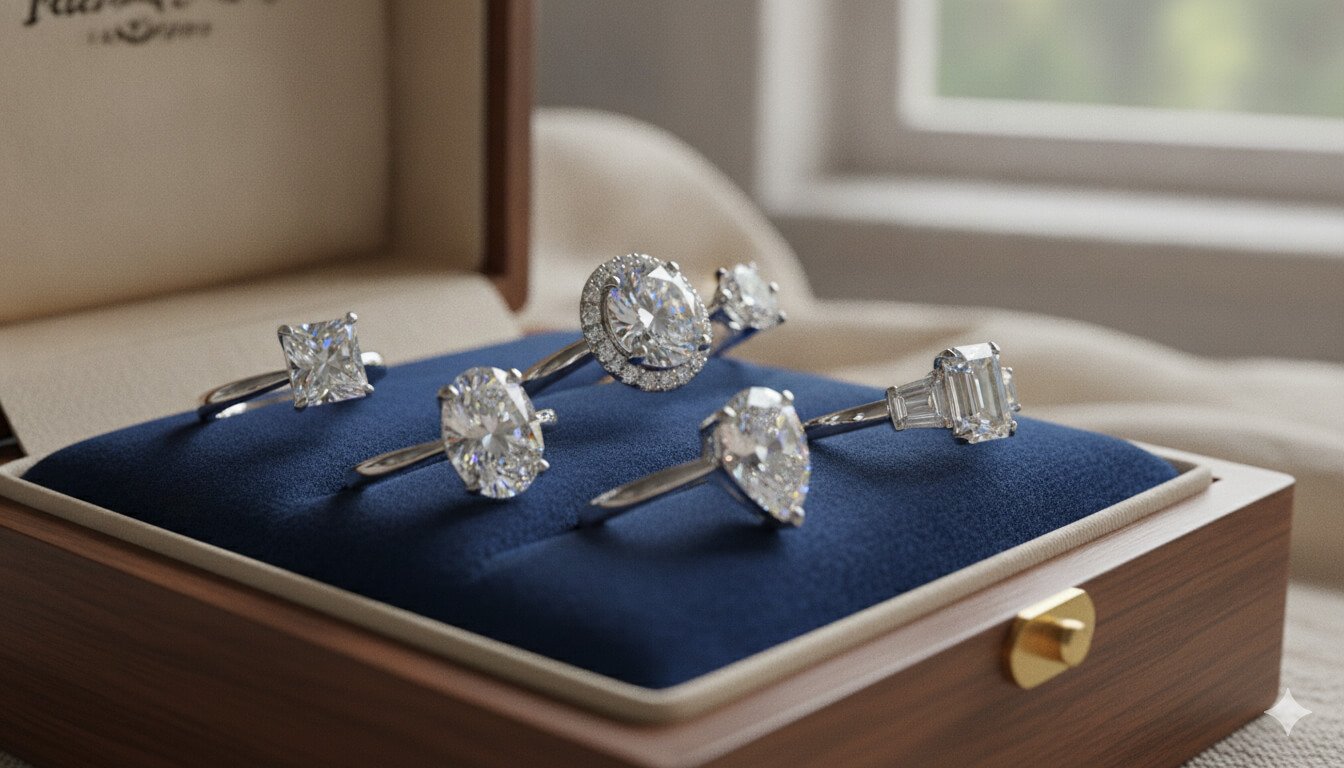
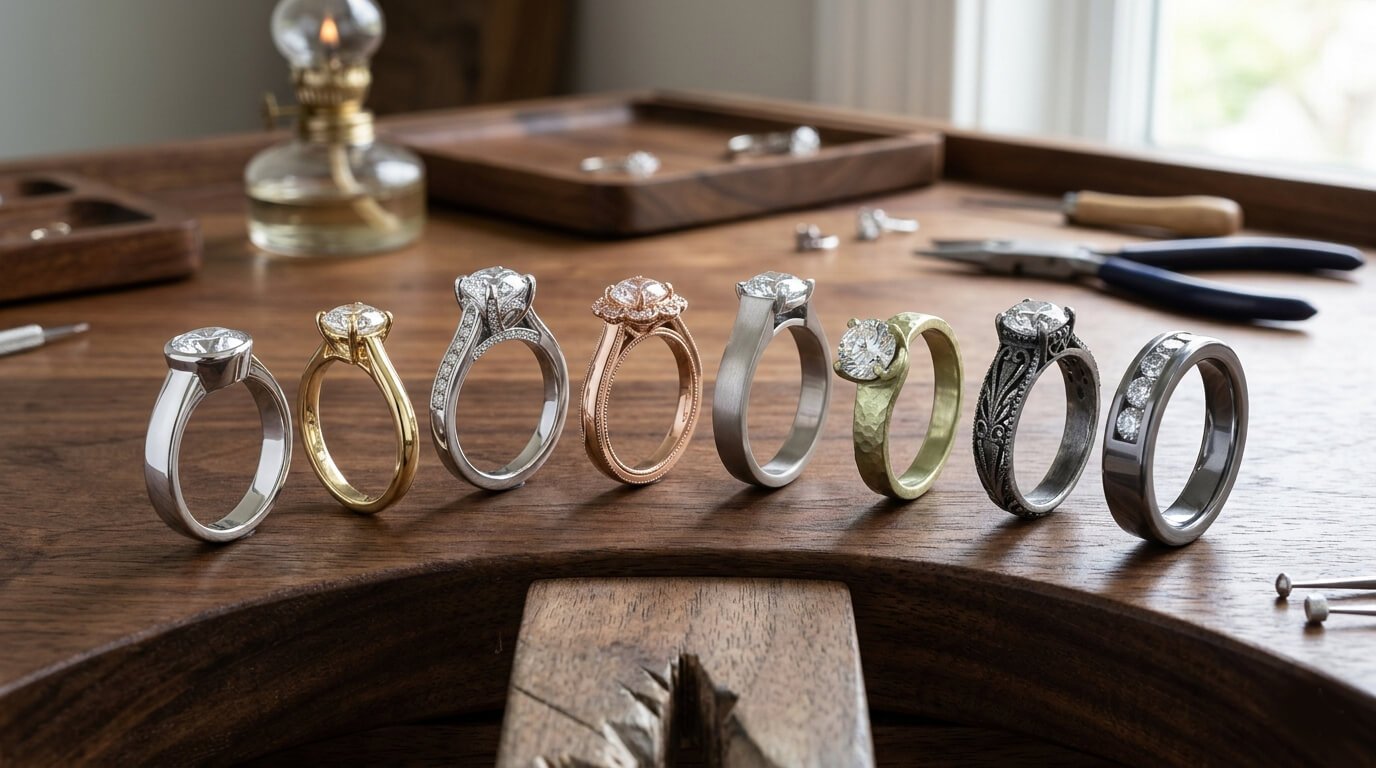
Perhiasan zirkonia kubik Tersedia dalam hampir setiap gaya dan pengaturan yang dapat dibayangkan. Beberapa contohnya meliputi:
Cincin (termasuk cincin pertunangan dan cincin kawin)
Anting-anting
Kalung dan liontin
Gelang dan bangle
Batu CZ dapat dipotong menjadi berbagai bentuk, termasuk potongan bulat brilian, princess, oval, pear, dan cushion. Batu ini biasanya dipasang pada berbagai logam, termasuk perak sterling, baja tahan karat, emas, dan platinum. Perak sterling dan baja tahan karat sering direkomendasikan karena menawarkan daya tahan yang baik dengan harga yang wajar tanpa masalah keausan lapisan yang ditemukan pada pilihan yang lebih murah.
Merawat Perhiasan Cubic Zirconia Anda
Untuk menjaga milik Anda perhiasan zirkonia kubik tampil dalam kondisi terbaiknya:
Bersihkan secara teratur Gunakan sabun lembut, air hangat, dan sikat lembut. Bilas hingga bersih dan keringkan dengan kain lembut.
Hindari bahan kimia keras. seperti klorin, pemutih, dan pembersih rumah tangga, karena dapat merusak permukaan batu.
Simpan secara terpisah di dalam kantong lembut atau kotak perhiasan berlapis untuk mencegah goresan.
Batasi paparan panas dan sinar matahari langsung.
Untuk panduan lengkap mengenai perawatan, baca artikel kami tentang... Cara membersihkan dan merawat perhiasan zirkonia kubik dengan benar..
Mengapa Memilih Perhiasan Cubic Zirconia?
Ada banyak alasan mengapa perhiasan zirkonia kubik tetap menjadi pilihan populer:
KeterjangkauanNikmati perhiasan berkualitas tinggi dan elegan dengan harga yang jauh lebih murah daripada berlian. .
VariasiTersedia dalam setiap warna pelangi, CZ menawarkan kemungkinan penataan gaya yang tak terbatas. .
Pengadaan barang secara etisCZ yang dibuat di laboratorium menghilangkan kekhawatiran tentang praktik penambangan yang tidak etis dan dampak lingkungan. .
Sempurna untuk bepergianCZ (Cincin Zirkonia) adalah "pengganti" yang sangat baik untuk berlian ketika Anda ingin menyimpan perhiasan berharga dengan aman di rumah. .

 English
 العربية
 Nederlands
 Français
 Deutsch
 Ελληνικά
 Bahasa Indonesia
 Italiano
 日本語
日本語 Português do Brasil
 Português
 Русский
 Español de México
 Español
 Українська
 Tiếng Việt