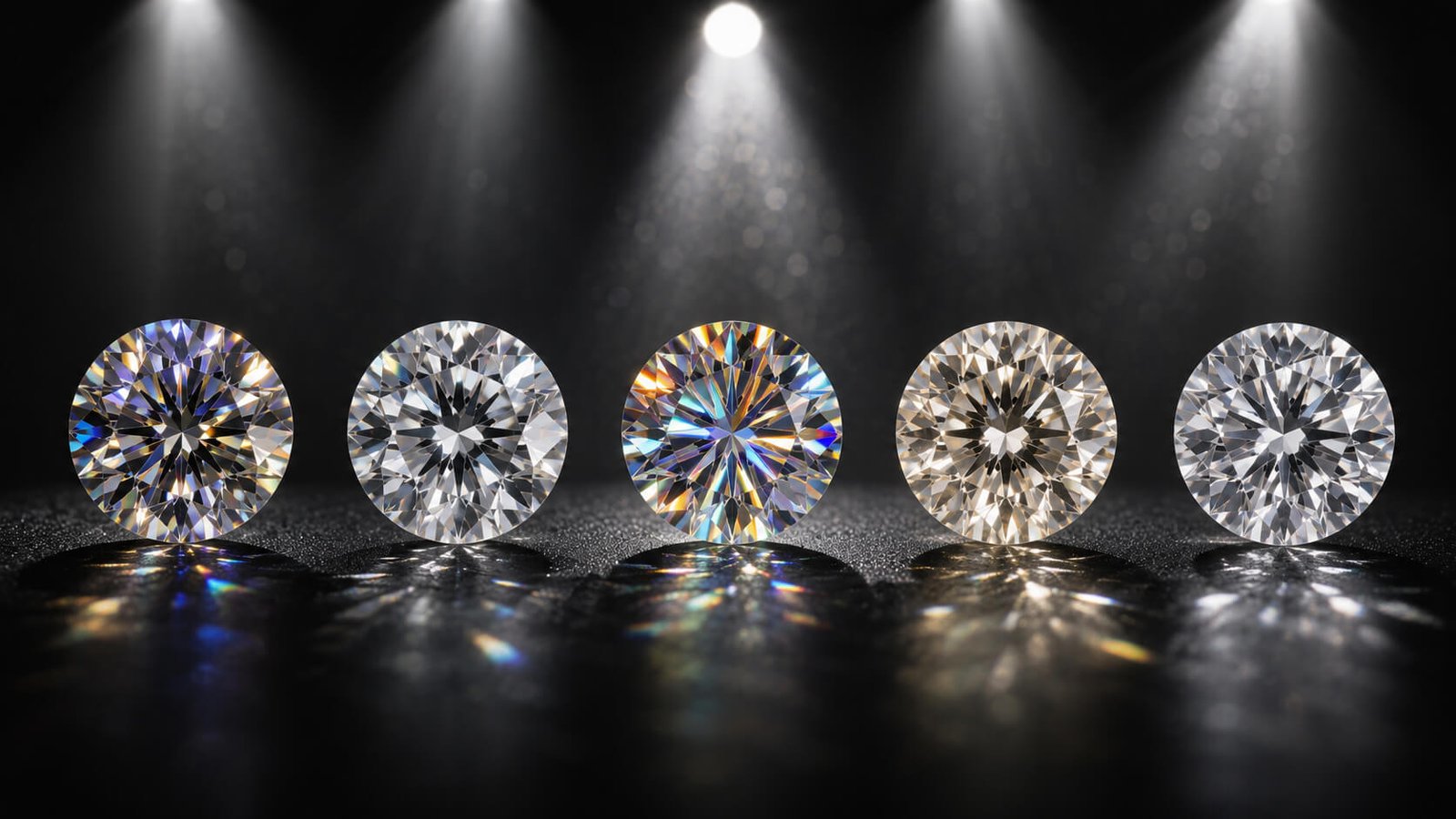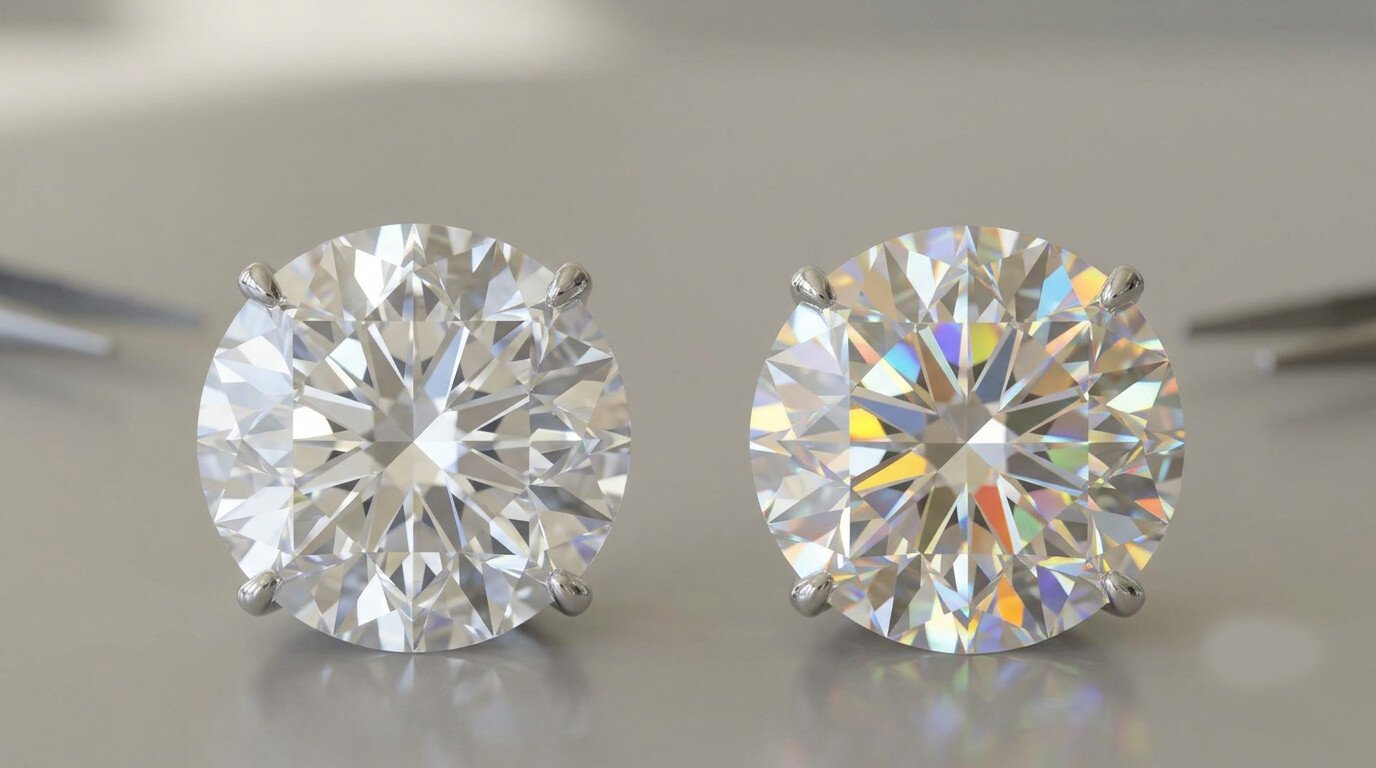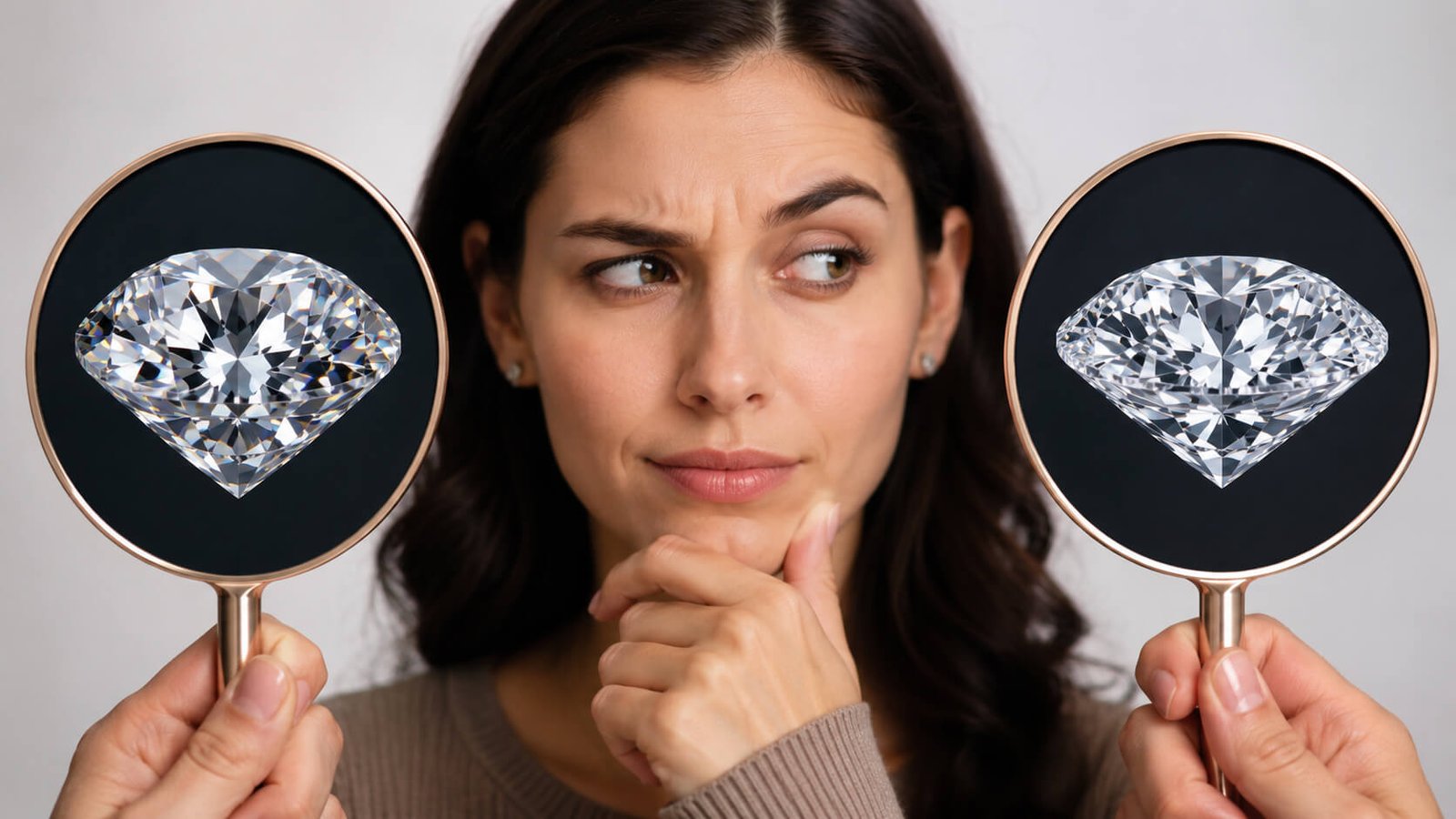
If you’re looking for a brilliant alternative to a diamond, you’ve likely encountered two main contenders: cubic zirconia and moissanite. Both are popular fake diamonds, but when it comes to sheer sparkle, one clearly
Cubic zirconia offers stunning affordability and diamond-like sparkle, making it an incredibly popular choice for fashion jewelry. However, it comes with significant drawbacks that are important to understand before making a purchase. Here’s
If you’re considering selling your cubic zirconia jewelry at a pawn shop, the honest answer is no—the cubic zirconia stone itself holds virtually no resale value. However, the metal setting the stone is mounted
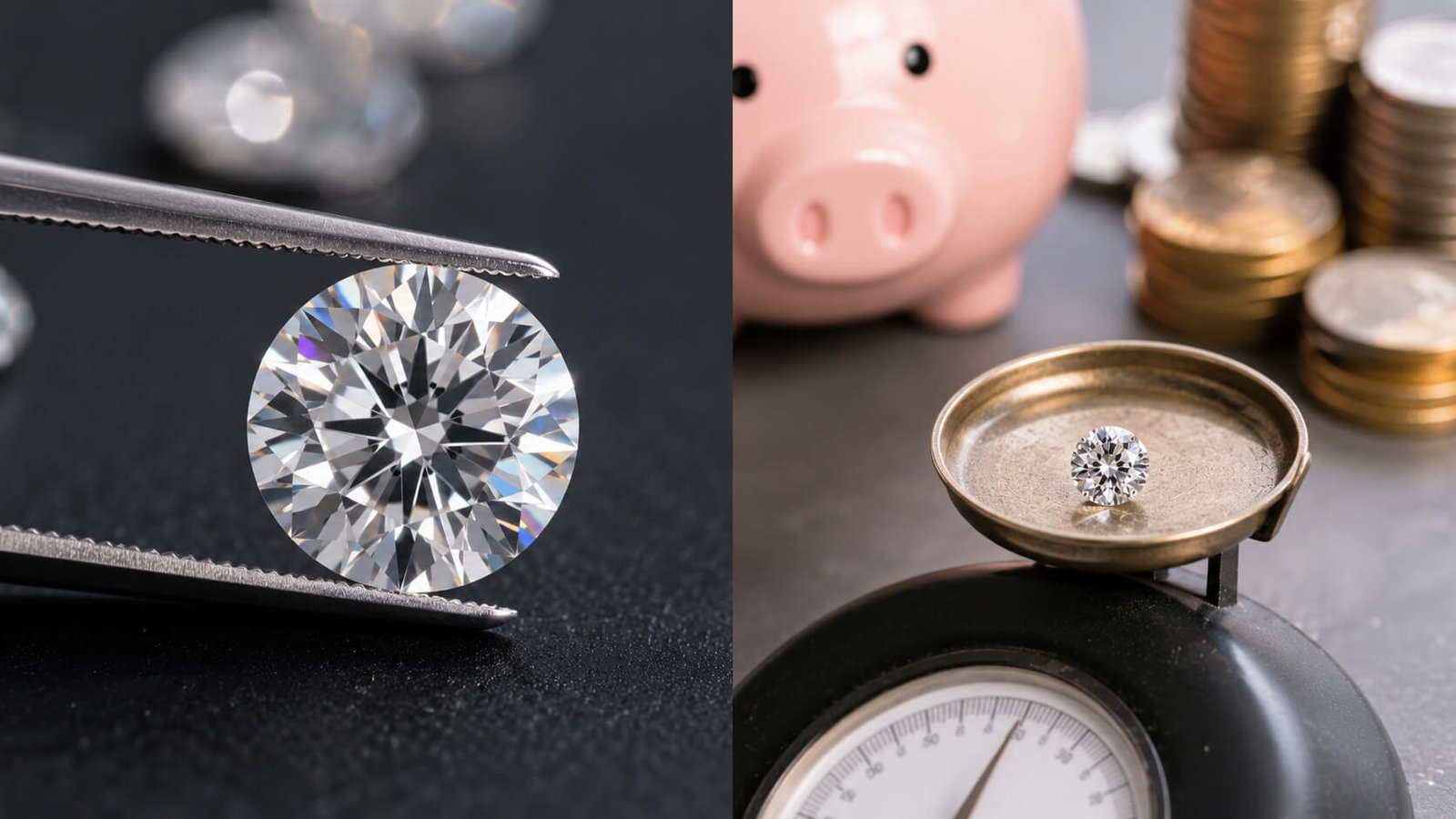
If you’re shopping for gemstones, the price difference between a diamond and a cubic zirconia can be staggering. A 1-carat diamond typically costs anywhere from $2,000 to over $10,000, depending on its quality . In contrast, a
When you’re looking for the highest quality cubic zirconia, the answer isn’t a single name—it depends on whether you’re buying a finished piece of jewelry or sourcing loose stones for manufacturing. The market is
The short answer is no. High-quality 5A zirconia will not pass a standard diamond tester. In fact, that is exactly what makes these testers useful—they are designed to distinguish diamond simulants like cubic zirconia from real
If you’re shopping for cubic zirconia jewelry, you’ve likely come across grades like 5A and 8A and wondered which is better. The short answer? 5A cubic zirconia is the established industry standard for top
The short answer is yes, cubic zirconia is considered a fake or imitation diamond. However, calling it “fake” can be a bit misleading because it doesn’t imply that the stone is trying to deceive
If you’re looking for a beautiful, affordable alternative to a diamond, you’ve likely come across two popular options: cubic zirconia (CZ) and moissanite. While they may look similar at first glance, they are
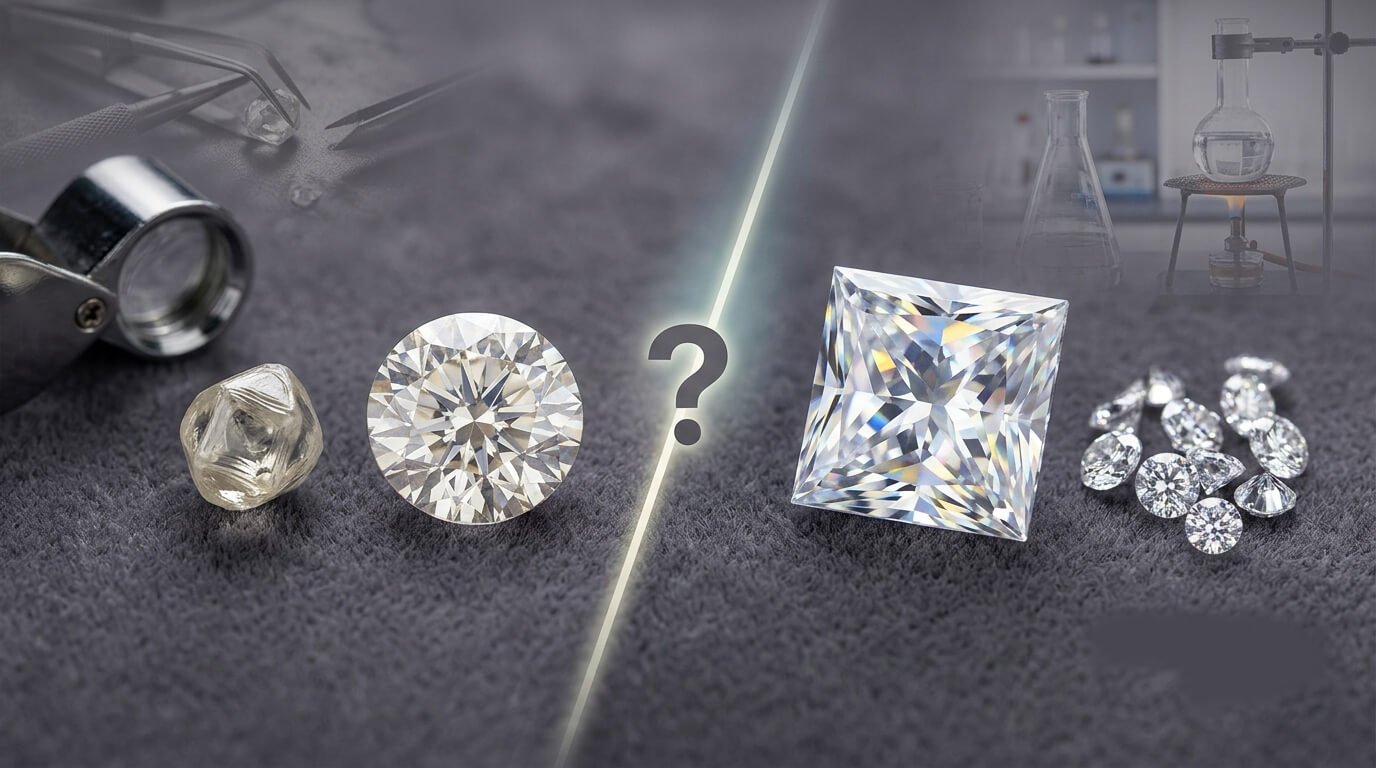
In the world of fine jewelry, few debates are as persistent as the comparison between cubic zirconia and lab-grown diamonds. For the independent designer, boutique studio, or discerning consumer, understanding this distinction is essential—especially